Being new at this, hopefully, it will be enjoyable and interesting and most of all focused towards informing all you out there about health. I will try to relate my information back to you and how it affects your life. It is very important to start good healthy routines such as a unique proper eating diet, regular exercise, and have basic knowledge of how to protect yourself from common health problems. It's all about making the right choice easier and obvious for you.

Tuesday, April 22, 2008

Blister Bummers

Blisters are a common problem for everyone, especially in the summer. Those who play sports tend to get them. After a couple of months and years of wear and tear (AKA friction and/or pressure) from blisters on your feet the skin becomes thicker and develops callus. This can lead to infections.

At this point it still is possible to develop blisters. Using lotion on the feet or even on hands will make them softer, but will also make them more prone to blistering.

What specific ways you can develop callus is by weight lifting without gloves. This can cause callus on your upper palms. Shoes, as another example, can affect the feet with callus. String instruments are known to cause callus on the players fingers. However, callus isn't necessarily bad. Thicker skin prevents blisters and help alleviate pain. For the string instrument player callus helps alleviate the pain from the tension of the strings and make playing easier. For dancers dancing barefoot can make performing turns less difficult.

A person that has callus can still develop blisters. Blisters in general are small pockets of fluid with the upper layers of the skin. They can either be filled with blood (AKA blood blisters) or with pus (infection). The most common blisters are filled with a clear fluid called serum that resembles water. Serum is the part of the blood that remain after red bloodcells and clotting agents have been removed.

Blisters form because of the outer layer of skin had become damaged. Fluid collects underneath, cushioning the tissue underneath to protect it from further damage and allowing it to heal.

A blood blister usually forms when a small blood vessel close to the surface of the skin breaks and blood leaks into a tear between the layers of skin. This can happen if the skin is crushed, pinched or squeezed really tightly.
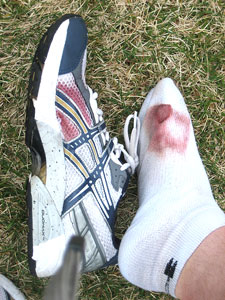
When you encounter having a blister do not pop it. But if they are painful and you feel you just have to pop them, be sure to use a needle that has been sterilized in flame. Drain the fluid in the blister and leave the top layer of skin intact. This protects the area underneath from infection. If the top layer of skin does come off, clean any exposed skin with soap and water, and apply antibacterial ointment and a nonstick bandage.

Sunday, April 13, 2008

Max Heart Beat Myth

Ever checked your heat beat while working out?
If you have, you probably think getting a higher heart beat means you are doing more work. Wrong. According to the New York times in a article called "The Flutter Over Heart Rate" the heart will pump less the stronger it becomes.

If you do end up in a gym and wish to work at your maximum heart rate to achieve a maximum workout, find it first. The old way to discover the maximum heart rate was 220 minus the age you are. Now, the more accurate is 208 minus age times 0.7. You can find it on the chart below:

Age
Old formula
New formula
20
200
194
30
190
187
40
180
180
50
170
173
60
160
166
70
150
159
80
140
152
90
130
145


Though, if one is not able to reach their target heart rate goal it is not unusual. Maximum Heart rates vary widely so to compare one rate to another is basically meaningless. Overall it is best to try and find your own by either looking up a method on-line, such as at http://www.howtobefit.com/determine-maximum-heart-rate.htm, or using the chart above.


Here's a 6 minute video for visual and audio reference. Note that he says to minus 225, this is the old belief, look back to the chart to find Maximum heart rate.

http://www.youtube.com/watch?v=y1b5IX5WmmM

For more reference visit the New York article at:
http://www.nytimes.com/2008/04/10/health/nutrition/10BEST.html?ref=fitnessandnutrition

You H2O


Water is very important for the body. Most people I find drink water in Prothro here at Sweet Briar, however there are those few who still drink sodas. Before one decides to pick soda over water again, and even those who pick water anyway, it's best to know what you drinking and why. Here are two videos on YouTube that provide good information on what and why you drink it:

Why Should You Drink Water?
http://www.youtube.com/watch?v=mlUHY2FhroU

5 Things: Water Myths (The first thing can be debated by experts on whether or not it is true)
http://www.youtube.com/watch?v=MJf6dV2hXts

Lastly, have you ever thought about the word running out of water? If not, you should. Water is becoming more and more scarce. This video gives information on how our treatment of water is effecting global climate change.

Could Drinking Water Scarcity Lead To Ecological Crisis?
http://www.youtube.com/watch?v=EMRyBVdhZ7s

The picture below is of the process of water treatment:

Thursday, March 20, 2008

Darker Side of Tanning

With spring season just around the corner people are already thinking about the beach, their backyard or any place where the sun beats down. In other words: Tanning season. However, dangers such as UV radiation are involved that pose a trade off between darker skin and health.

There are two types of UV radiation. Ultraviolet B, UVB, is the first and is associated with sun burn. The second is less known, Ultraviolet A, UVA, that has been recognized to penetrate deeper into the skin and, as a result, causes more damage. Recently, some scientists have suggested there might be a connection between UV radiation and melanoma, the most serious type of skin cancer.

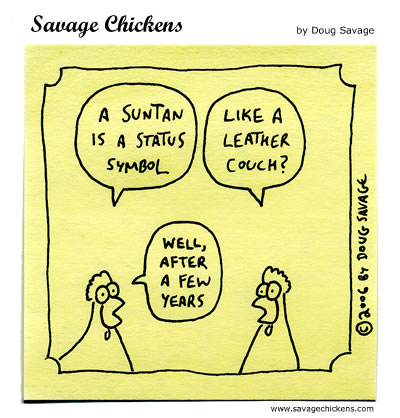
Though sun can be beneficial to the body by providing it with Vitamin D, biologically, only a small amount is needed. UV radiation is causing more harm than good. Found from the sun, tanning beds, and sunlamps, people are letting themselves be more and more exposure to UV radiation. Because of this increase in UV radiation, chance of cancer (UVA), premature aging (taking a leather-like appearance) and damage to ones’ immune system increases (UVB). In fact, more than 1.3 million new skin cancer cases are likely to be diagnosed in the U.S. this year.

Cancer such as melanoma is sometime not easy to cure and fatal if not detected early. The number of cases of melanoma is rising in America. An estimated 47,700 new cases and 7,700 deaths are anticipated this year.

With younger people skin aging and cancer are delayed effect that show up years after exposure. Because they are delayed, younger people tend to be unaware of the dangers of tanning.

If tanning occurs over a long period of time, say years, damage of the skin accumulates. Premature aging (wrinkles) come as a consequence because of this. It is true that people with darker skin tend to be more resilient to UV radiation. Yet, the damage could just be less apparent and take longer to show up.

Discover your skin type (types I, II, and III are at the greatest risk in the sun)

I. Pale white skin

· Always burns; never tans

II. White

· Burns easily; tans minimally

III. White (Average)

· Burns moderately; tans gradually to light brown

IV. Beige or lightly tanned

· Burns minimally; always tans well to moderately brown

V. Moderate brown or tanned

· Rarely burns; tans profusely or dark

VI. Dark brown or black

· Never burns; deeply pigmented

Tips to avoid sun damage:

· Avoid the hours between 10 a.m. and 4p.m. where the sun’s rays are most strong.

· Where protective covering: broad-brimmed hats, long pants, and long sleeved shirt, anything that decreases sun exposure.

· Apply sunscreen (SPF of 15 or higher to block both UVA and UVB) 30mins before sun exposure and reapply every 1 ½ to 2 hours.


For more info go to www.aad.org or see your local dermatologist ESPECIALLY if you find a suspicious mole, scaly patch, or a sore that does not heal.

Tuesday, March 4, 2008

Sleeping vs. Studying

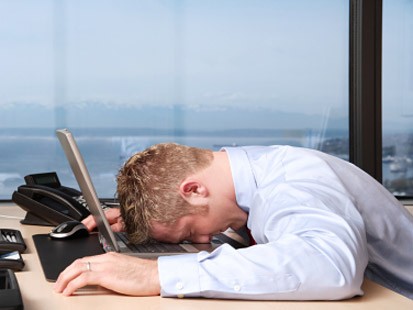
College students commonly believe studying, or “cramming”, from night into the early hours of the morning will benefit them more than sleeping. Yet, a majority of these students would probably say that they have heard sleeping would scientifically benefit them more when test time came.

Though researchers still are unsure exactly why people need sleep, the effects of sleep deprivation are clear signs it is important. Without proper sleep, 8-9 hours, you lose the ability to concentrate, your mood slumps, and you have problems recalling memories. Researchers believed this is because neurons can shut down and repair damage done during the day. Without them, waste only builds up. Chronic lack of sleep “increases the risk for developing obesity, diabetes, cardiovascular disease and infections” (Stibich).

The truth is, even the loss of one hour of sleep can add up over several days. It can have a powerful negative effect on daytime performance. An interesting study found “people who were awake for up to 19 hours scored substantially worse on performance and alertness than hose who were legally intoxicated” (sleep). Another study, reflecting the effect of sleep on mood, was conducted at the University of Pennsylvania. Researchers “found that when study subjects were only allowed to sleep 4.5 hours a night for one week, they reported feeling more stressed, angry, sad, and mentally exhausted, with overall scores for mood and vigor declining steadily during the test period. When the subjects were allowed to get enough sleep, their mood scores improved dramatically” (Sleep). Basically, the question for college students is would you rather show up for a test tense, and emotionally overwhelmed, or in a mood that is optimistic and relaxed?

(Click on Picture for full view)

Artificial light delays sleep because it keeps you up during the night. Our natural instinct is to fall sleep as soon as the sun goes down, but due to artificial light we are able to stay awake thus throwing off our sleeping rhythm.

The best advice to get to sleep would be to drink a glass of milk (possessing tryptophan) and just relaxing.


Sources:

Stibich, Mark. "Benefits of Sleep." at: http://longevity.about.com/od/sleep/a/sleep_benefits.htm.

Sleep-Wake Cycle at: http://www.sleepfoundation.org/atf/cf/%7BF6BF2668-A1B4-4FE8-8D1A-A5D39340D9CB%7D/Sleep-Wake_Cycle.pdf or at The National Sleep Foundation website: http://www.sleepfoundation.org/site/c.huIXKjM0IxF/b.2417141/k.2E30/The_National_Sleep_Foundation.htm

Wednesday, February 20, 2008

Keeping Winter Skin Healthy

Winter weather is here to stay for the next coming months and so are the skin problems it brings to most, if not all of us.
The culprit of these problems for our skin comes from wind and layers of clothing. The harsh winds that blow after every winter mix system does more than blow ones’ hair in ones’ face it also removes the moisture level of the skin thus leaving the skin feeling tight and dry. Also, by central heating and wearing layers upon layers of clothing the skin is suffocated and cannot properly breathe.

Tricks to avoid this winter weather with healthy skin can be troublesome, but worth the time and effort for healthier, glowing skin.

Daily moisture is a popular well known fact to use in the winter. Many healthcare professionals agree that moistures should be used frequently during this time of year all over the body. After a shower is preferred time for when to apply moisturizers. This will trap additional moisture into the skin and help prevent dryness and flaking. Also, the moisturizers that should be more favored in the winter are lotions that contain alpha-hydroxy acids (AHAs) such as glycolic or lactic acid which are effective for reversing dry skin and invisible lines at a deeper level. Don’t forget about the sun either when choosing a moisturizer, search for “dual purpose” where it contains both moisturizing and sunscreen ingredients.

People shower more frequently in hot water during the winter months due to seasonal cold and flu viruses, general aches, or just to warm up. Limit hot water use while showering. Hot water tends to dry skin and remove essential natural moisturizers needed for it to stay healthily. Instead shower water should be lukewarm or warm and shorter. Five minute showers are recommended. Winter is also a time to avoid using harsh soaps which are considered irritants to already abused skin and, instead, reach for soap products featuring soothing ingredients such as eucalypus. Lastly, remember, because dry skin doesn’t lack oil, but water instead put moisturizer on to lock water into your skin.

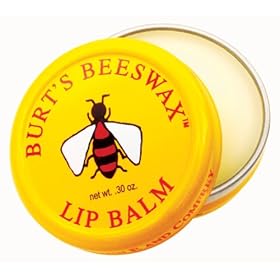
Chapped lips are common around this time of year. The quick solution for many tend to be licking their lips to give them moisture, however, this only evaporates and dries them out even more. Invest in lip balms which have at least SPF 15 and contain tree oil, beeswax, phenol, aloe, vitamin E and essential oils. Another good tip to remember is to apply the product, if you get a salve rather than a stick, to use a toothpick instead of fingers. Fingers can transfer germs into the container, onto your mouth.

It is very important to take of your body during the winter because of the germs and uncomfortable flaking skin when it becomes too dry. Living by these tips can help make your skin healthier and, as you grow older, can carry on the benefits by having less wrinkles and smoother, softer skin.

More Information:

1o Hot Winter Beauty Tips - Cold Weather Beauty Care

http://findarticles.com/p/articles/mi_moKA/is_n1_v60/ai_20152541/pg_1

Protecting Your Skin in Winter

http://www.unilever.com/ourbrands/healthylibing/articles/winter_skin_health


Thursday, February 14, 2008

Valentine's Healthy Treat

On Valentine's Day mailboxes are filled full of Valentine treats that make the mouth water. In no time at all a majority of us eat our chocolate prizes at first site. However, this takes a toll on the body.

Chocolate generally eaten is just pretty packaged, good tasting added ingredients, loads of sugar and fat to taste good. The only chocolate that is truly good for the heart is dark chocolate which has flavanols (compounds found in grapes, apples, tea, and the plant/foods). These dark chocolates 70% or higher of flavenoids and flavenols (usually found in cocoa) have been proven to keep blood healthy and prevent cell damage and inflammation. However it is argued by many health professionals that the high calories of chocolate offset any potential health gain. All in all, one should treat chocolate as a treat not a medicine for ones’ heart.

Another fact about chocolate came from a research report at the University of Indiana on elite cyclists. A potential benefit of the cocoa bean found in chocolate can possibly speed of muscle recovery time. The cyclists who drank chocolate milk in between races recovered more quickly than those who didn’t.

According to CNN reporter Marjory writes, “Preliminary research at West Virginia’s Wheeling Jesuit University suggests chocolate may boost your memory, attention span, reaction time, and problem solving skills by increasing blood flow to the brain.” That is good news to hear right before a big exam.

Basically the higher the percent of cocoa the higher the benefits. That is why we find the European dark chocolates that contain high percentages of cocoa are actually more beneficial health-wise than our own American calorie packed.

After Valentine’s day exercise estimates:

  • Food: Chocolate-Dipped Strawberries
    Amount: 1
    Calories: 45
    Walk: 12 Minutes
  • Food: Russell Stover Dark Truffle
    Amount: 1
    Calories: 80
    Walk: 21 Minutes
  • Food: Hershey’s Almond Kiss
    Amount: 1
    Calories: 25
    Walk: 6 Minutes
  • Food: Chocolate-Covered Cherries
    Amount: 1
    Calories: 55
    Walk: 14 Minutes
  • Food: Russell Stover Butternut Crunch
    Amount: 1
    Calories: 200
    Walk: 52 Minutes
  • Food: Heart Shaped Box
    Amount: 8 candies
    Calories: 600
    Walk: 155 Minutes

Chocolate may be healthy, but it is a treat none-the-less. Habits that should be used in college when considering eating them would be:

1) After exercise or a good exam grade

2) After eating healthy food

3) When studying (to congratulate yourself for doing it)

4) Put it in a hidden place. Besides hiding it from yourself, when people see it they probably will ask to have a piece. It is best to keep chocolate out of site for the saying, “out of site out of mind”. If you are optimistic when you take the chance in leaving it out and someone asks, give the piece over knowing it is fewer calories that you can’t chomp on later.

5) Give it to a friend (if you feel generous and don’t want the temptation at all).

It is argued by many health professionals that the high calories of chocolate offset any potential health gain. All in all, one should treat chocolate as a treat not a medicine for ones’ heart. It is best to remember for next year's Valentine treats is to find chocolates that contain refined sugar (raw sugar or cane juice on the label) or cocoa. Any additions like caramel contain no health benefits.

Information From and/or more information:

Stay Healthy This Valentine's Day: Eat Chocolate
http://media.www.thepawprint.net/media/storage/paper694/news/2007/02/14/Health/Stay-Healthy.This.Valentines.Day.Eat.Chocolate-2717202.shtml
Valentine's Day Health Odds and Ends
http://www.kpic.com/news/health/15370501.html